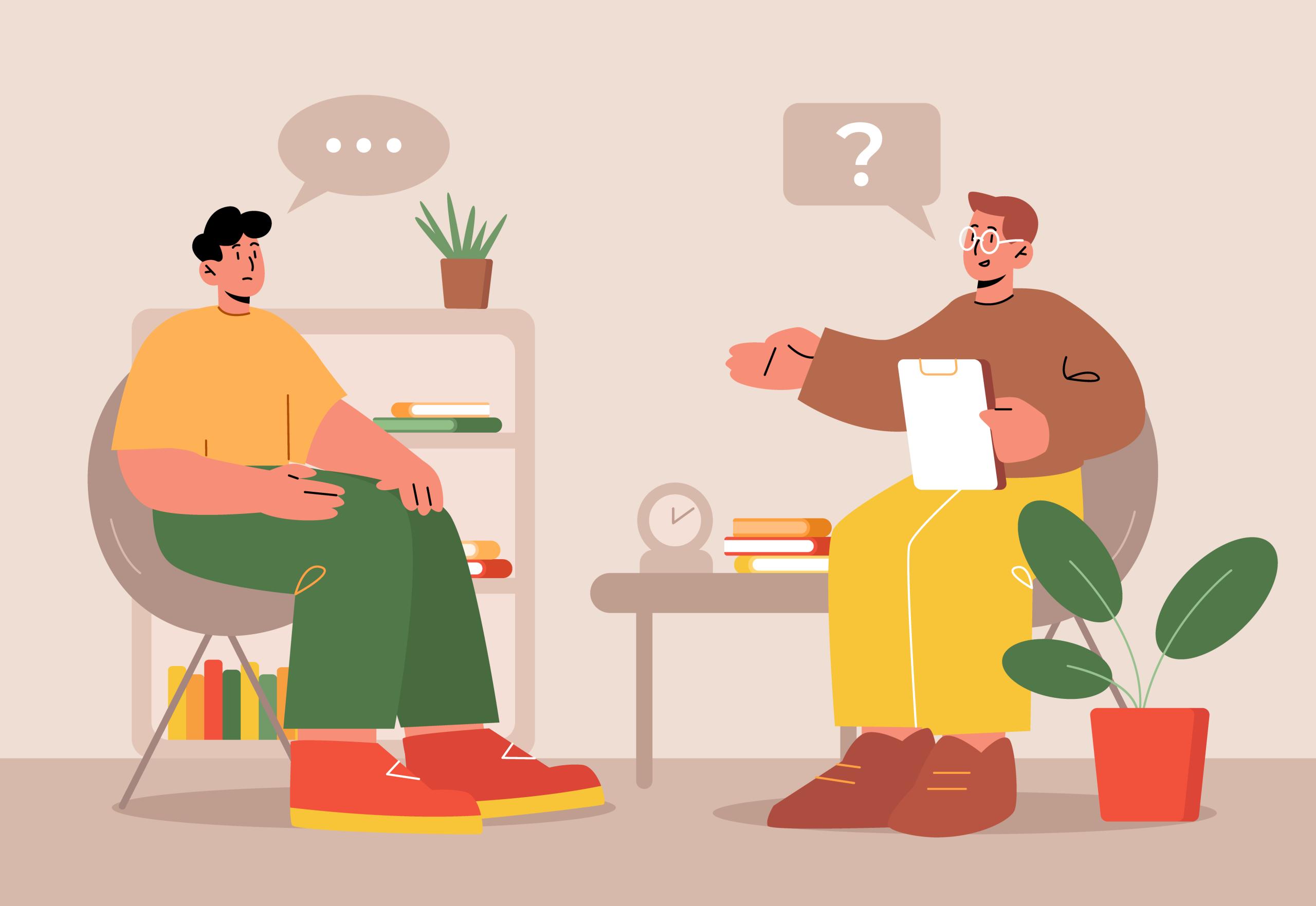
Do You Always Say “Yes” Even When You Mean “No”?
If you’ve ever agreed to something just to avoid conflict, please know: you’re not alone. Many of us were taught that being “good” means being agreeable, helpful, or self-sacrificing. But here’s the truth—your time, energy, and emotional space are valuable, and it’s okay to protect them.
At MindoverBlues, we believe that boundary-setting is a radical form of self-care. And it’s something anyone can learn—with practice and compassion.
Why Do We Struggle With Boundaries?
Setting boundaries often triggers guilt or anxiety because:
We fear disappointing others
We’re conditioned to prioritize other people’s comfort
We think setting limits makes us selfish or “mean”
We’re not used to expressing our needs
These are real fears, shaped by past experiences. But healing starts with unlearning—and giving yourself permission to matter.
What Are Healthy Boundaries, Anyway?
Boundaries aren’t about walls; they’re about clarity. They help define what you are and aren’t okay with—emotionally, mentally, physically.
Examples of healthy boundaries:
Saying, “I’m not available right now, can we talk tomorrow?”
Letting someone know you’re not comfortable discussing certain topics
Taking time for yourself without apologizing
Tips for Setting Boundaries (Without Guilt)
1. Start Small
Begin with one area of your life—maybe work, family, or friendships. Choose one clear boundary and practice upholding it.
2. Use “I” Statements
Say, “I feel overwhelmed when plans change last-minute. Can we agree on a heads-up next time?” This expresses your need without blame.
3. Practice Saying No—Kindly
“No” can be a full sentence. But if that feels hard, try:
“Thanks for thinking of me, but I’ll pass this time.”
“I don’t have the capacity for that right now.”
4. Expect Discomfort, Not Disaster
People may be surprised when you set boundaries—especially if you’ve always said yes. That’s okay. Discomfort doesn’t mean you’re doing it wrong.
5. Affirm Your Right to Take Up Space
Repeat to yourself: “It’s okay to protect my peace. It’s okay to say no. I’m allowed to have needs.” These are not selfish thoughts—they’re survival truths.
Therapy Can Help You Build Boundaries
At MindoverBlues, we work with clients to unlearn people-pleasing, explore assertive communication, and rebuild a sense of self-worth that makes boundary-setting feel less scary—and more natural.
You Are Allowed to Choose You
Protecting your peace is not a betrayal of others—it’s a commitment to yourself. And in that commitment, you model what healthy relationships look like.