Introduction
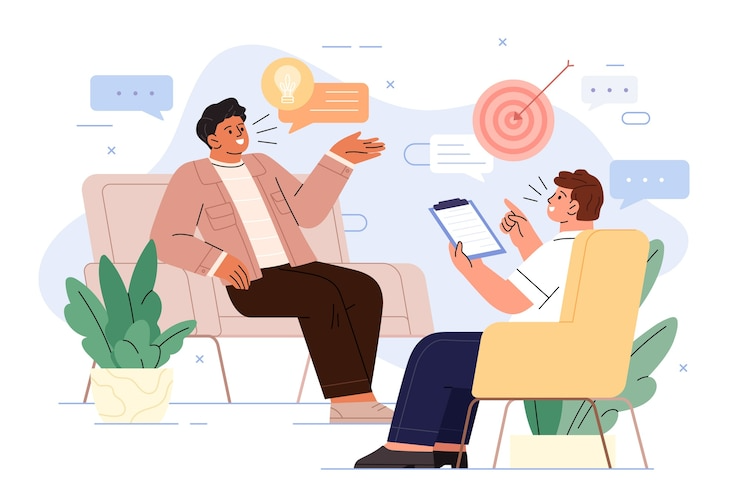
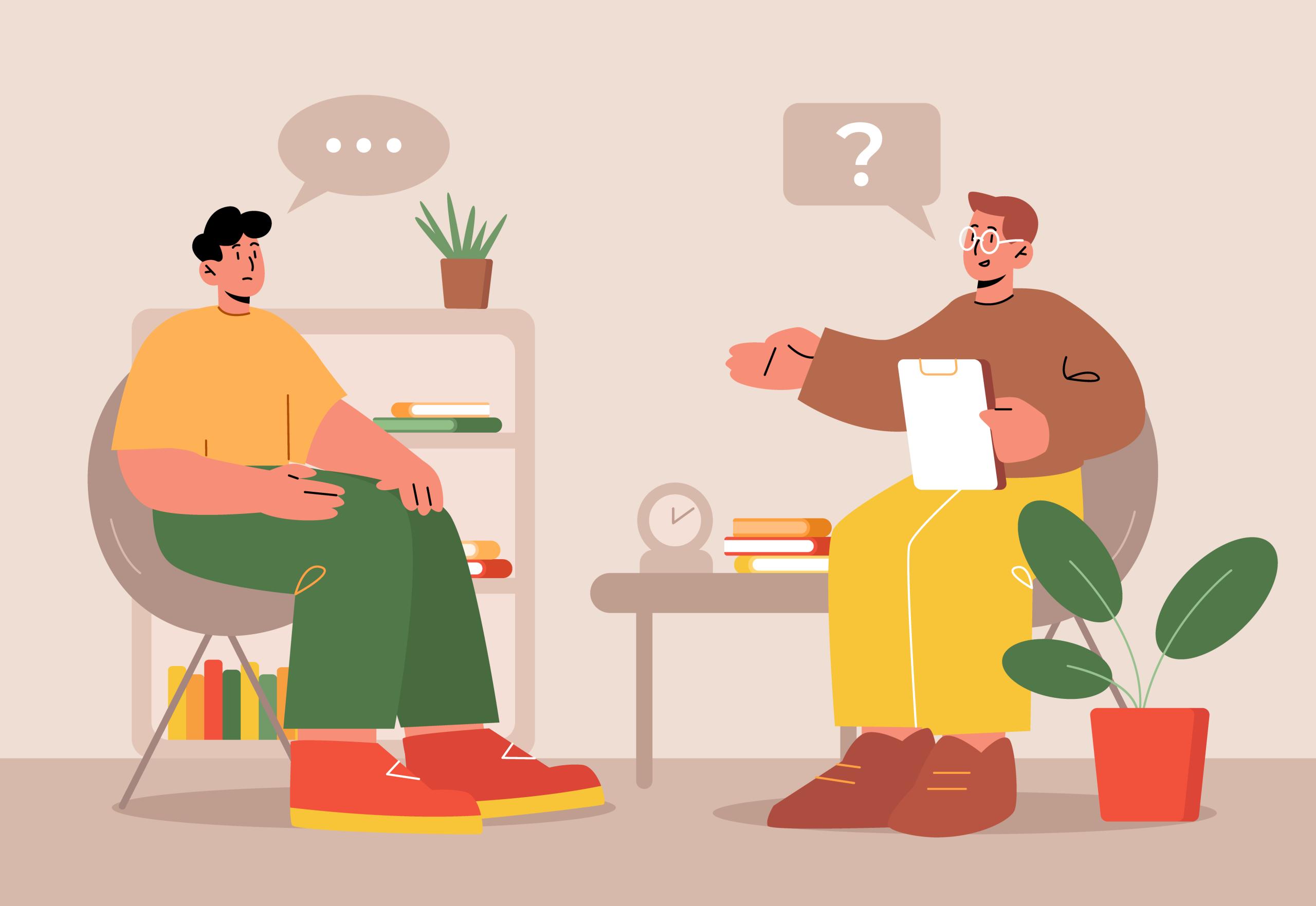
Therapy is not just for people experiencing severe mental health issues. It is a powerful tool for anyone seeking personal growth, emotional resilience, and better coping strategies. Unfortunately, due to stigma and misinformation, many individuals wait until their situation becomes critical before reaching out for help. Recognizing the early signs that therapy could be beneficial can empower you to take proactive steps toward mental wellness.
Here are seven key signs you might benefit from working with a therapist, psychologist, or counselor.
1. You’re Constantly Feeling Overwhelmed or Anxious
It’s normal to feel stressed occasionally. Life is full of challenges—deadlines, relationships, finances, or family expectations. But when stress and anxiety become constant companions, it may indicate a deeper issue.
- Symptoms may include: racing thoughts, difficulty concentrating, restlessness, muscle tension, sleep disturbances, or frequent panic attacks.
- How therapy helps: A therapist can help identify the root causes of anxiety and provide practical techniques such as mindfulness, breathing exercises, and cognitive-behavioral strategies to manage stress.
Many clients are surprised to discover how transformative it can be to simply verbalize their fears and anxieties in a safe, non-judgmental environment.
2. You Feel Persistently Sad, Hopeless, or Empty
Occasional sadness is a part of life, especially after a loss or disappointment. However, if you’re feeling down more days than not for more than two weeks, you might be experiencing depression.
- Red flags: loss of interest in activities you once enjoyed, fatigue, hopelessness, appetite changes, and recurring thoughts of death or suicide.
- Therapeutic intervention: Therapy can help you explore the underlying emotional causes of depression and teach coping skills to manage symptoms. Modalities like Cognitive Behavioral Therapy (CBT) and Interpersonal Therapy (IPT) have proven effective in treating depression.
Seeking help early is crucial. Untreated depression can worsen over time and affect your physical health, relationships, and work.
3. You’re Struggling With Unresolved Trauma or Grief
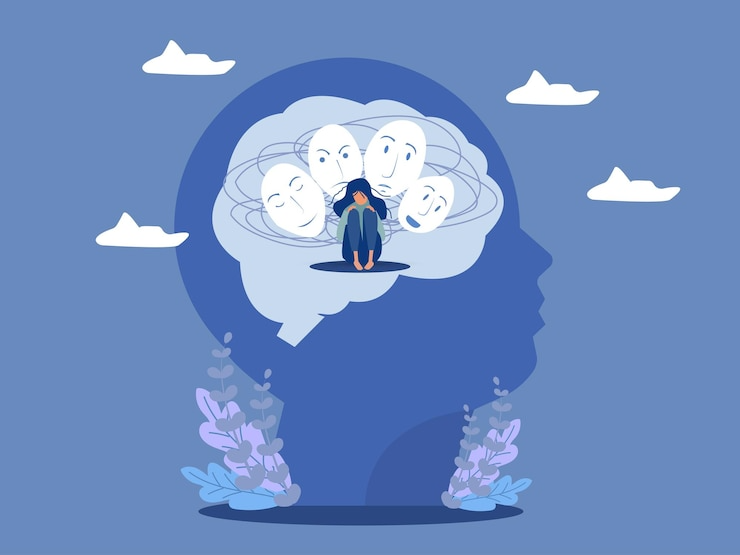
Trauma can result from a wide range of experiences—abuse, accidents, natural disasters, or witnessing violence. Grief, on the other hand, follows the loss of a loved one, job, or even an identity. Both can deeply affect your emotional well-being.
- Common reactions: flashbacks, nightmares, avoidance behavior, emotional numbness, or intense sorrow.
- Therapy’s role: Therapists trained in trauma-informed care, such as EMDR (Eye Movement Desensitization and Reprocessing) or trauma-focused CBT, can help you process and release the pain without reliving it.
Therapy offers a path to healing by helping you regain control, restore self-worth, and make peace with your past.
4. Your Relationships Are Suffering
Whether it’s a romantic partnership, friendship, or family connection, relationship difficulties often reflect deeper emotional struggles. Repeated arguments, lack of communication, codependency, or emotional distance are common signs.
- What to observe: Are you constantly feeling misunderstood, angry, or disconnected from people close to you?
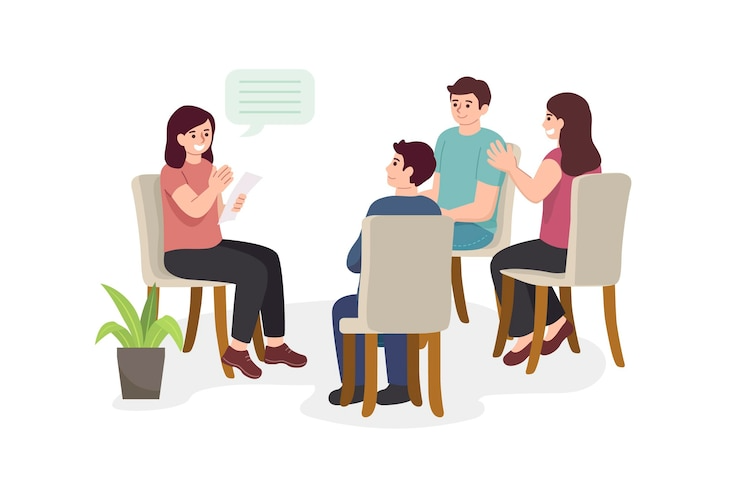
- How therapy helps: Individual therapy can explore personal patterns, while couples or family therapy can improve communication and understanding between members.
Healthy relationships are foundational to emotional well-being, and therapy can be the first step toward repairing and strengthening those bonds.
5. You’re Using Substances or Unhealthy Habits to Cope
Turning to alcohol, drugs, food, or even social media to escape problems can signal that you’re trying to self-medicate. While these behaviors may offer temporary relief, they often create long-term problems.
- Signs of concern: increased tolerance, withdrawal symptoms, neglecting responsibilities, or experiencing guilt and secrecy about your behavior.
- The therapist’s role: A trained professional can help uncover the emotional triggers driving these habits and offer healthier alternatives for coping.
Recovery often starts with acknowledgment. Therapy can provide the support and accountability you need to create lasting change.
6. You Feel Stuck or Directionless in Life
Even without a diagnosable mental illness, many people find themselves feeling stuck—trapped in unfulfilling jobs, relationships, or routines. This stagnation can lead to low self-esteem, confusion, and a loss of purpose.
- Typical thoughts: “What am I doing with my life?” or “I’m not happy, but I don’t know why.”
- Therapy can guide you: Therapists can help you clarify your values, goals, and strengths, enabling you to make decisions aligned with your true self.
Therapy can be especially helpful during transitions—graduation, moving to a new city, becoming a parent, or retiring.
7. Your Physical Health Is Suffering Without a Clear Cause
Mind and body are deeply connected. Emotional distress can manifest physically, leading to headaches, fatigue, stomach issues, or chronic pain—especially when medical tests show no clear diagnosis.
- Indicators: frequent illness, changes in weight, sleep disturbances, or psychosomatic symptoms.
- What therapy addresses: Stress, trauma, and unresolved emotions can wear down the body. Therapy helps manage those stressors and promotes overall health.
Many patients find that as their emotional health improves, so does their physical vitality.
Bonus: You Simply Want to Understand Yourself Better
You don’t have to be in crisis to benefit from therapy. Self-awareness is one of the most powerful outcomes of working with a therapist.
- Therapy offers a space to: explore your past, challenge limiting beliefs, develop emotional intelligence, and build a more authentic life.
Personal growth isn’t about fixing what’s broken; it’s about building on what’s already strong.
Conclusion
Therapy is a valuable resource for anyone looking to live a more balanced, fulfilling, and emotionally healthy life. It’s not a sign of weakness—it’s a courageous step toward understanding yourself and improving your quality of life.
If any of the signs above resonate with you, consider reaching out to a licensed psychologist or therapist. Early intervention can make a world of difference. On MindoverBlues, we believe that mental health is a journey, and seeking help is a sign of strength, not surrender.