Introduction
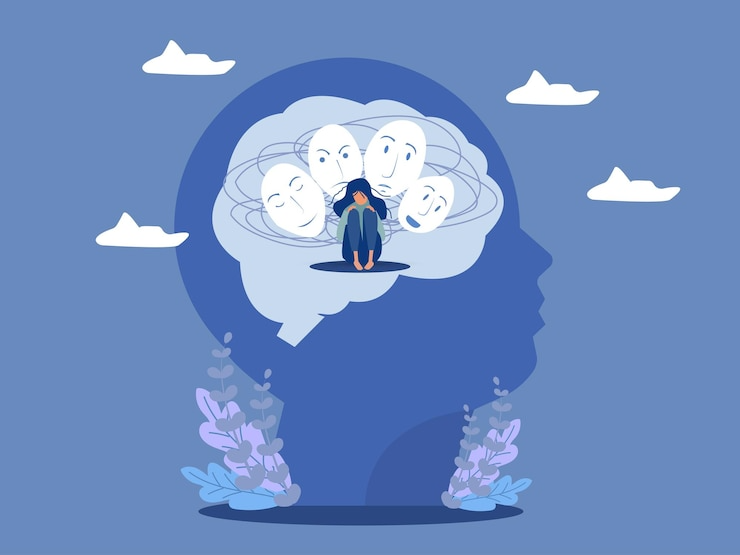
In today’s fast-paced world, mental health has become as crucial as physical health. Psychologists play a pivotal role in promoting mental wellness, helping individuals navigate emotional challenges, cognitive issues, and behavioral concerns.
What Is a Psychologist?
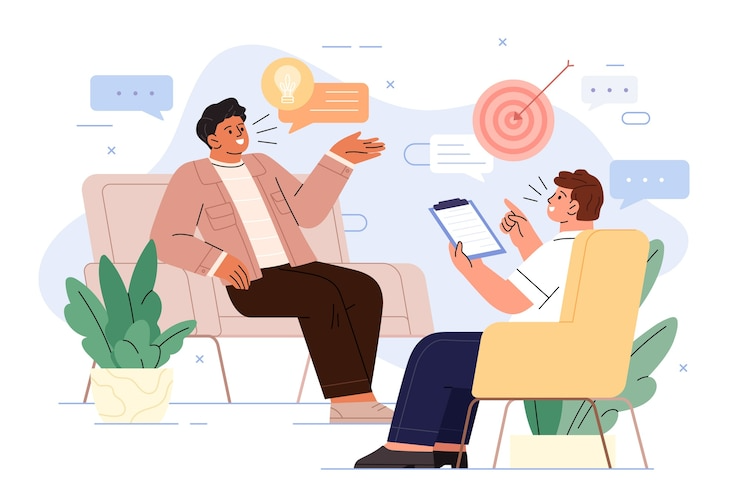
A psychologist is a trained professional who studies mental processes and human behavior by observing, interpreting, and recording how people relate to one another and their environments. They employ various therapeutic techniques to help individuals cope with mental health issues, emotional difficulties, and behavioral challenges.
Educational and Professional Pathway
To become a psychologist, one typically pursues an undergraduate degree in psychology, followed by a master’s or doctoral degree (Ph.D. or Psy.D.) in a specialized area of psychology. Postgraduate training includes supervised clinical experience and passing licensing examinations. Continuous education is essential to stay updated with the latest research and therapeutic techniques.
Areas of Specialization
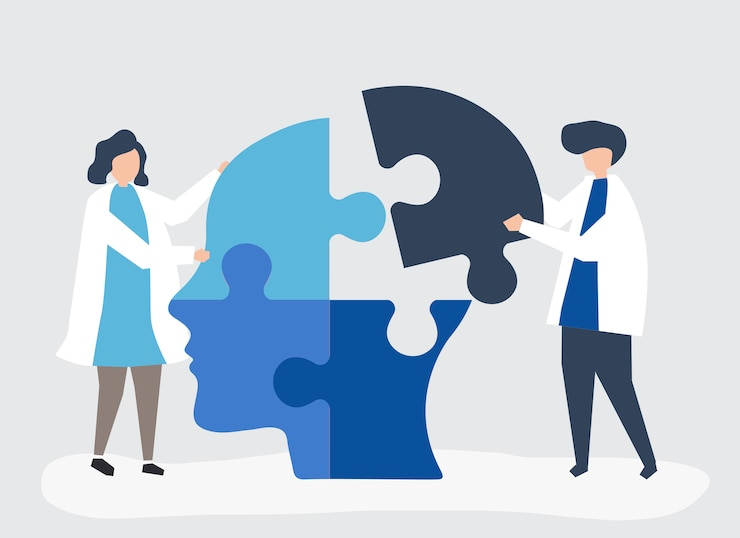
Psychologists can specialize in various fields, including:
- Clinical Psychology: Focuses on diagnosing and treating mental, emotional, and behavioral disorders.
- Counseling Psychology: Deals with helping people manage and overcome problems in daily life.
- Educational Psychology: Concentrates on how people learn and the best practices to teach them.
- Forensic Psychology: Applies psychological principles within the legal and criminal justice system.
- Industrial-Organizational Psychology: Studies behavior in the workplace to improve productivity and employee well-being.MyWellbeing
Therapeutic Approaches
Psychologists employ various therapeutic approaches based on the individual’s needs:
- Cognitive Behavioral Therapy (CBT): Focuses on identifying and changing negative thought patterns and behaviors.
- Psychodynamic Therapy: Explores unconscious processes and how past experiences influence current behavior.
- Humanistic Therapy: Emphasizes personal growth and self-actualization.
- Behavioral Therapy: Centers on modifying harmful behaviors through conditioning techniques.
Assessment and Diagnosis
Psychologists use standardized tests and assessments to evaluate cognitive abilities, personality traits, and emotional functioning. These tools aid in diagnosing conditions such as depression, anxiety disorders, learning disabilities, and more.
The Importance of Psychologists in Mental Health
- Early Detection and Intervention: Psychologists can identify early signs of mental health issues, allowing for timely intervention and better outcomes.
- Personalized Treatment Plans: They develop individualized treatment strategies tailored to each person’s unique needs and circumstances.
- Support and Guidance: Psychologists provide a safe and confidential environment for individuals to express their thoughts and feelings, offering guidance to navigate life’s challenges.
- Promoting Mental Wellness: Beyond treating disorders, psychologists work on enhancing overall mental well-being, resilience, and coping strategies.
When to Consult a Psychologist
Consider seeking help from a psychologist if you experience:
- Persistent feelings of sadness or hopelessness.
- Excessive worry or anxiety.
- Difficulty coping with daily problems or stress.
- Substance abuse issues.
- Challenges in relationships or social interactions.
- Trauma from past experiences.
The Therapeutic Process
Engaging with a psychologist typically involves:
- Initial Assessment: Discussing your concerns, medical history, and goals for therapy.
- Treatment Planning: Collaboratively developing a strategy to address the identified issues.WG Content
- Therapy Sessions: Regular meetings to work through problems, learn coping mechanisms, and monitor progress.
- Evaluation: Periodic assessments to evaluate the effectiveness of the therapy and make necessary adjustments.
Benefits of Psychological Therapy
- Improved Emotional Regulation: Learn to manage emotions effectively.
- Enhanced Self-Awareness: Gain insights into personal behaviors and thought patterns.
- Better Relationships: Develop healthier interpersonal skills.
- Increased Coping Skills: Equip yourself with tools to handle stress and adversity.
- Achievement of Personal Goals: Work towards and accomplish personal aspirations.WG Content+1verywellmind.com+1
Challenges and Misconceptions
Despite the benefits, several misconceptions hinder people from seeking psychological help:
- Stigma: Societal attitudes may discourage individuals from pursuing therapy.
- Cost: Concerns about the affordability of psychological services.
- Belief in Self-Reliance: The notion that one should handle problems independently.
Overcoming Barriers
To address these challenges:
- Education: Increase awareness about mental health and the role of psychologists.
- Accessibility: Advocate for affordable and accessible mental health services.
- Support Systems: Encourage open conversations within communities and families.
Conclusion
Psychologists are integral to the mental health landscape, offering expertise, support, and therapeutic interventions to those in need. Recognizing the value they bring can encourage more individuals to seek help, leading to a healthier, more resilient society.